
Scientific and Technical Program
The scientific program and technical sessions are subject to change. Half-Day tutorials at introductory, intermediate, and advanced levels, covering the entire spectrum of the conference. The opening session, plenary keynote, technical sessions, and poster demonstrations will be held December 1–3, 2026. Sessions will be offered in person and online through the conference platform. Registered participants are encouraged to attend all conference days.
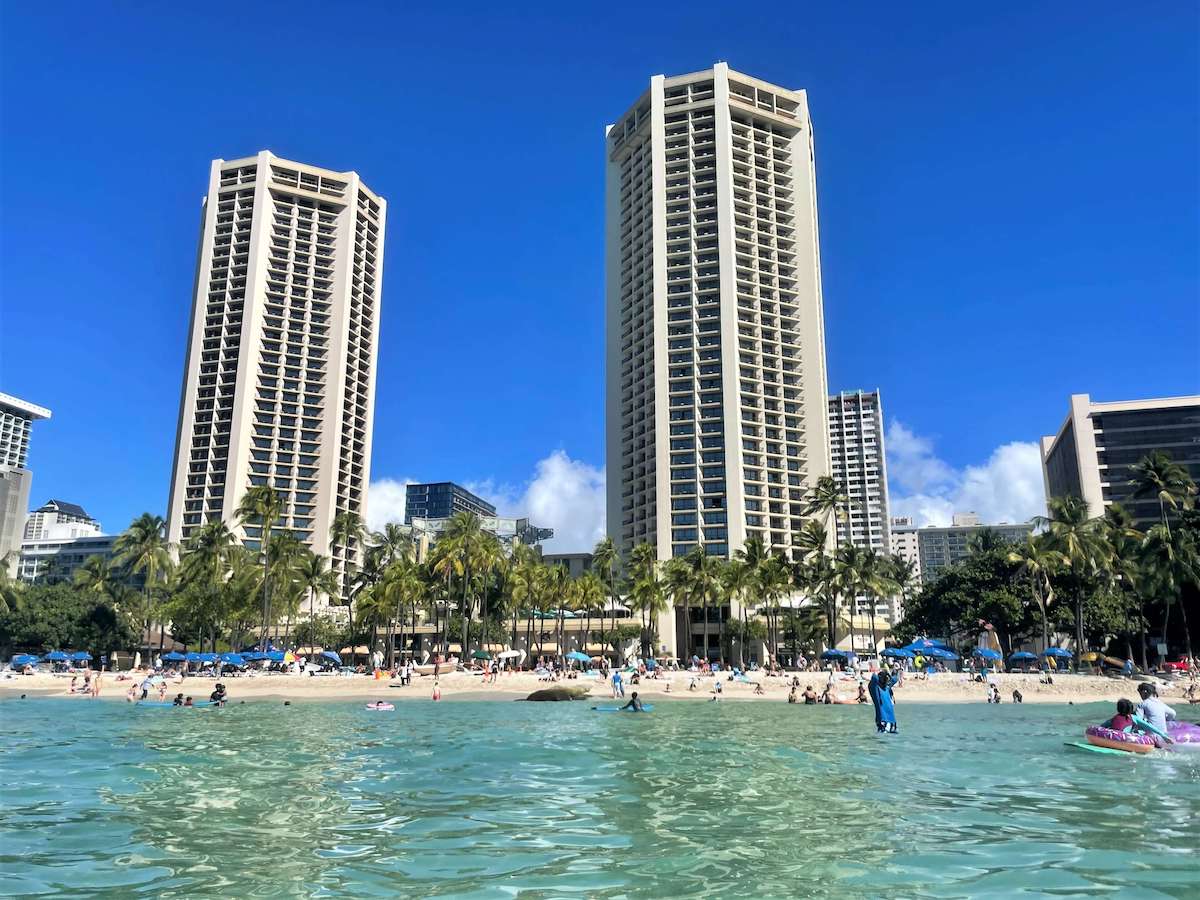
AHFE 2026 Hawaii International ConferenceHuman Factors in Design, Engineering, and Computing December 1–3, 2026 Address: 2424 Kalākaua Ave, Honolulu, HI 96815 (Google Maps) |
ⓘ Hybrid conference program schedule is listed in Hawaii Standard Time (HST)
AHFE Most Recent Program Summary:
Preliminary program subject to change! If you have title/author changes or for questions about presentation or poster schedule, please contact the Conference Administration with a detailed message at ahfeadmin@ahfe.org
| CONFERENCE SCHEDULE: | |||
| Monday, Nov 30, 2026 |
Tuesday, Dec 1, 2026 (Technical Sessions Day 1) |
Wednesday, Dec 2, 2026 (Technical Sessions Day 2) |
Thursday, Dec 3, 2026 (Technical Sessions Day 3) |
 9 :00 –
12:00 9 :00 –
12:00Conference Planning Meetings |
8:00 – 14:00 Registration Desk Open |
8:00 – 12:00 Registration Desk Open |
8:00 – 12:00 Registration Desk Open |
|
12:00 – 14:00 Registration Desk Open |
 8
:30-14:30 8
:30-14:30 Technical Sessions
DAY 1 Technical Sessions
DAY 110:00 – 14:00 Poster Session A |
8:30
– 14:30 Technical Sessions
DAY 2 Technical Sessions
DAY 2 |
8:30
– 14:30 Technical
Sessions DAY 3 Technical
Sessions DAY 3 |
 18:00-20:00
Conference Reception |
 Poster Session B |
|
|
Interactive Program Filter
List of Tracks and Acronyms
AI Session Recommendation
Track: Day:
AHFE 2026 Hawaii Conference Reception:Schedule: 18:00-20:00 (HST), Tuesday December 1, 2026 Location: Hyatt Regency Waikiki Address: 2424 Kalākaua Ave, Honolulu, HI 96815 (Google Maps) (Registered Participants only - Dress: Hawaiian-style, Photo ID Required) * If you have a guest joining you, please register each guest 10 days in advance here. |
 |
||||
AHFE 2026 Hawaii Conference Location:Location: Hyatt Regency Waikiki - Grand Ballroom Address: 2424 Kalākaua Ave, Honolulu, HI 96815 (Google Maps) |
|||||
|
|||||

AHFE 2026 Opening Session and Keynote AddressTuesday, December 1, 2026 · 8:30–9:30 HST Room: Makai Ballroom 
Dr. Farzan SasangoharTexas A&M University, USAHuman-Centered AI and the Future of Digital HealthcarePlenary Keynote SummaryHealthcare is undergoing a transformation from episodic treatment to continuous, personalized, and proactive care. At the center of this transformation lies the convergence of artificial intelligence (AI), digital health technologies, and human-centered systems design. In this keynote, Dr. Farzan Sasangohar will explore how human-centered AI can support continuous monitoring and self-management of mental health and chronic conditions. Through examples from interdisciplinary research and applied healthcare innovation, the talk will highlight the development and evaluation of AI-enabled digital interventions designed to enhance accessibility, engagement, personalization, and clinical impact. The presentation will examine how intelligent systems can leverage wearable sensing, behavioral data, and adaptive analytics to provide real-time insights, personalized recommendations, and proactive support while maintaining usability, trust, and patient autonomy. Key challenges, including ethical AI, implementation barriers, privacy, explainability, and integration into healthcare workflows, will also be discussed. By bridging human factors engineering and AI, this keynote will outline a vision for the next generation of healthcare systems: systems that continuously support individuals, adapt to their needs, and place humans at the center of technological innovation. Speaker BioDr. Farzan Sasangohar is a Professor of Industrial and Systems Engineering and Environmental and Occupational Health at Texas A&M University. He is the co-author of Design for Health: Applications of Human Factors in Healthcare and has authored over 110 peer-reviewed journal articles. He currently serves as the Editor-in-Chief of Human Factors in Healthcare and as the Secretary-Treasurer of the Human Factors and Ergonomics Society (HFES). He has received numerous international awards for research, teaching, and service, including the Technical Innovations in IE and the Hamed K. Eldin Outstanding Early Career IE in Academia Award from the Institute of Industrial and Systems Engineers (IISE); the Jack A. Kraft Innovator Award, William C. Howell Young Investigator Award, and Bentzi-Karsh Early-Career Service Award from HFES; and the Kingfar Young Researcher Award from the International Ergonomics Association (IEA). Dr. Sasangohar’s research interests include digital health and monitoring tools aimed at workers’ physical and mental health and performance in sociotechnical systems. |
AHFE 2026 Hawaii Conference Scientific and Technical Program |
||||||
|
||||||
| Day 1 Technical Sessions | TRACK | ROOM | ||||
Tuesday,
December 1, 2026 - 10:00-11:00 (HST) 60 min
 |
||||||
| SESSION | 1 | Application of Emerging Technologies I | AET | AHFE 1-Maloko | ||
| Day 1Tues Dec 1 | Co-Chairs: Debra Henneberry, USA and Dimitrios Ziakkas, UK | |||||
| 10:00-11:00 (HST) | The evolution of ADAS safety: A human factors perspective | |||||
| Digital fitting for resource optimization strategy: Hybrid practices for sustainable accessory design | ||||||
| Development of an AI agent for failure monitoring, diagnosis and remaining useful life of capacitors in safety signal processor in NPPs | ||||||
| Designing and implementing a total pilot performance course for undergraduate aviation students | ||||||
| From emerging technologies to operational capability: Human-centred transition pathways for AI implementation | ||||||
| Room-scale digital twin sensing for quantifying young children's gaze-based interest and movement behavior | ||||||
| SESSION | 2 | Artificial Intelligence and Social Computing I | AISC | AHFE 2-Mauka | ||
| Day 1Tues Dec 1 | Co-Chairs: Si-Jae Teh, USA and Sabira Issakova, Kazakhstan | |||||
| 10:00-11:00 (HST) | Tangible card topologies or text prompts? Comparing AI-human co-creative storywriting methods | |||||
| Short-form social media exposure & attention tolerance in AI interaction | ||||||
| Medical discourse as an object of linguistic research: Possibilities of artificial intelligence application | ||||||
| Artificial intelligence in linguistics: A scientific and methodological analysis and development prospects | ||||||
| How AI partner role perception affects joint creativity: The mediating roles of human–AI collaboration experiences | ||||||
| A rank-based analysis of AI consistency in shortlisting top software systems by usability: Learning management systems as an example | ||||||
| SESSION | 3 | Human-Centered Design and Design for Inclusion I | HCD | AHFE 3-Ekahi | ||
| Day 1Tues Dec 1 | Co-Chairs: Daigo Misaki, Japan and Jennie Lai, USA | |||||
| 10:00-11:00 (HST) | Designing human–AI interaction to foster ambidextrous thinking and learner ownership in product ideation | |||||
| Designing perimenopause care using disaggregated data for Asian American women | ||||||
| Parametric design of HEV intake grilles through traditional pattern translation based on FCM and XGBoost | ||||||
| Operationalizing design attitude: An exploratory study of structure and associations with creativity-related factors | ||||||
| From perception to reflection: A layered information design approach to water footprint communication | ||||||
| From Gap Analysis to design: An integrated mobile application for children with autism spectrum disorder | ||||||
| SESSION | 4 | Human–Computer Interaction: Cognitive and Workload Factors I | HCI | AHFE 4-Elua | ||
| Day 1Tues Dec 1 | Co-Chairs: Olarinde Farayola,USA and Hao Shi, China | |||||
| 10:00-11:00 (HST) | Unimodal vs. multimodal trajectory anticipation cues for motion sickness mitigation in autonomous vehicles: An on-road study | |||||
| Toward a human-centered framework for digital health accessibility among ASL-dominant users | ||||||
| Evaluation of gesture separability and stability based on surface electromyography for general interaction design | ||||||
| Technology for people in public innovation | ||||||
| Human–AI reliance in housing rental decisions: How explanation interfaces shape trust, confidence, and decision behavior | ||||||
| Communicating the cost of going electric: Best practices for vehicle cost calculator user interface design | ||||||
| SESSION | 5 | Human-Technology and Future of Work I | HTFW | AHFE 5-Makai | ||
| Day 1Tues Dec 1 | Co-Chairs: Melissa McLain and Yunfeng Chen, USA | |||||
| 10:00-11:00 (HST) | Impact of body mass index, tenure length, and age on physical exertion of transportation maintenance workers during simulated asphalt shoveling | |||||
| Beyond true or false: Measuring information discernment through metacognitive debrief in a simulated joint operations environment | ||||||
| A multidimensional framework for assessing human-AI collaboration in military operations: The CogARMY Teamwork Index (CTI) | ||||||
| Mapping AI in the workforce: A latent semantic analysis of the robotics warfare rating's occupational identity across paygrades | ||||||
| Assessing embodied-AI humanoid robots for construction: A task-capability and human compatibility framework | ||||||
| Bridging the gap between human factors and autonomous vehicle decision-making and control: A conceptual framework for behavioural acceptance | ||||||
| Refreshments: 11:00-11:30 (HST) | ||||||
| Day 1 Technical Sessions | TRACK | ROOM | ||||
| Tuesday,
December 1, 2026 - 11:30-12:30 (HST)
60 min |
||||||
| SESSION | 6 | Applications of Technologies in Healthcare and Cognitive Assessment I | HCA | AHFE 1-Maloko | ||
| Day 1Tues Dec 1 | Co-Chairs: Bryan Johnston, Canada, and Zun-hwa Chiang, Taiwan | |||||
| 11:30-12:30 (HST) | Reducing nursing communication burden through a digital health passport platform: A patient-centered UX design approach | |||||
| An entrustment-based human factors framework for integrating artificial intelligence into healthcare and medical education | ||||||
| ConoCancer: A RAG-based Chatbot for breast cancer health literacy | ||||||
| Utilization of multi-stakeholder visualization in medical management strategy development: A case study of the BSP cardiovascular detection project | ||||||
| Utilization of multi-stakeholder visualization tools in medical management strategy development: Case study of BSP cardiovascular health | ||||||
| Examining how natural and synthetic sugars shape cognitive endurance and neural efficiency | ||||||
| SESSION | 7 | Human-Centered Design and Design for Inclusion II | HCD | AHFE 2-Mauka | ||
| Day 1Tues Dec 1 | Co-Chairs: Xinliang Chen, China and Yoshito Dobashi, Japan | |||||
| 11:30-12:30 (HST) | Flipping through my day: Reimagining the digital calendar through novelistic translation and progressive narrative delivery | |||||
| Creating a path to mastery: Impacts of machine-learning guidance on novice software users | ||||||
| Cycling by disabled people in Japan: Current situation and future possibilities | ||||||
| User-centered transmedia storytelling design for urban landmarks: A case study of Shenzhen’s Bay Glory ferris wheel | ||||||
| From resources to stories: An experiential narrative design for children’s ecological field studies in Oct Wetland Park | ||||||
| Understanding cross-cultural resonance: A study on the mechanisms influencing audience willingness to inherit and disseminate export porcelian | ||||||
| SESSION | 8 | Human–Computer Interaction: Cognitive and Workload Factors II | HCI | AHFE 3-Ekahi | ||
| Day 1Tues Dec 1 | Co-Chairs: Yingjiao Jia, China and Angela Sanguinetti, USA | |||||
| 11:30-12:30 (HST) | The impact of gamification elements in art therapy on behavioral intention among university students with trait anxiety: A self-determination theory perspective | |||||
| Customer churn prediction for consumer-facing delivery Apps | ||||||
| Energy demand flexibility: Keeping users in the loop with “invisible” technologies | ||||||
| Qualitative study updated with recent 3D object generation models for immersive technologies | ||||||
| Updated comparative analysis between recent 3D object generation models: Adaptation to immersive technologies | ||||||
| Exploring user perceptions of their role in personalization on YouTube | ||||||
| SESSION | 9 | Industrial and Systems Engineering Application: Safety and Simulation I | ISE | AHFE 4-Elua | ||
| Day 1Tues Dec 1 | Co-Chairs: Wu Xu, China and Timothy Kangogo, USA | |||||
| 11:30-12:30 (HST) | System safety analysis considering human factors in aircraft development | |||||
| Designing sustainable business models for industrial service providers – concepts and challenges | ||||||
| Large language models as human-centered cognitive tools in agile software engineering: An empirical multi-study investigation | ||||||
| Operationally conditioned transit injury risk: A national machine learning analysis of safety, mobility, and socioeconomic exposure | ||||||
| A model-based approach to human-related risk in digitally supported manufacturing systems | ||||||
| Scientific trends in data mining for university dropout prediction: A bibliometric review and network mapping | ||||||
| SESSION | 10 | Panel: Applications in Training, Learning and Education | General: Other | AHFE 5-Makai | ||
| Day 1Tues Dec 1 | Chair: Farzan Sasangohar, USA | |||||
| 11:30-12:30 (HST) | From academic publications to practice: The lasting influence of HFE | |||||
| Refreshments: 12:30-13:00 (HST) | ||||||
| Day 1 Technical Sessions | TRACK | ROOM | ||||
Tuesday,
December 1, 2026 - 13:00-14:30 (HST) 120 min
 |
||||||
| SESSION | 11 | Human-Centered Design and Design for Inclusion III | HCD | AHFE 1-Maloko | ||
| Day 1Tues Dec 1 | Co-Chairs: Ravneet Kaur and Dillon Narcisse, USA | |||||
| 13:00-14:30 (HST) | Governing agentic AI workflows: Balancing automation and human oversight in enterprise practice | |||||
| Human-centred adaptive reuse of building heritage: A comparative ex-post and ex-ante evaluation of abandoned areas in Maribor, Slovenia | ||||||
| An analysis of handoff processes in global teams | ||||||
| Human- AI teaming in life coaching: Evaluating LLM role fit through coaching competency and mentor-coach perspective | ||||||
| From injury to impact: Supportive and performance enhancement technology for athletes | ||||||
| From static reading to interactive exploration: For the learning system of I Ching Hexagrams | ||||||
| SESSION | 12 | Human–Computer Interaction: Cognitive and Workload Factors III | HCI | AHFE 2-Mauka | ||
| Day 1Tues Dec 1 | Co-Chairs: Iara Margolis, Portugal and Nan Jiang, China | |||||
| 13:00-14:30 (HST) | Beyond immersion: The influence of interactivity on user experience in VR-based robotics learning | |||||
| AI-enhanced live-streamed English language learning: Designing and evaluating an intelligent platform for Chinese learners | ||||||
| When transparency is beneficial or detrimental: Designing a contextual dual-path model based on trust in AI systems | ||||||
| Active transportation applications of emerging mobility data tools: Use cases and user experience lessons for multiple user groups | ||||||
| Automation transparency communication improves supervisory control performance, but shapes operator trust | ||||||
| Application of psychoinformatics in guiding digital natives to choose suitable careers in modern era | ||||||
| SESSION | 13 | Wearable Technologies, Social and Affective Computing I | WTSAC | AHFE 3-Ekahi | ||
| Day 1Tues Dec 1 | Co-Chairs: Brandon King and Alexis Cady, USA | |||||
| 13:00-14:30 (HST) | Blast and physiological wearables: Hardware testing and VOC analysis | |||||
| Headset-type wearable biosensor for transcutaneous monitoring of acetone vapor from the external auditory canal | ||||||
| Evaluating occupational heat stress using wearable physiological monitoring: A field study of environmental and physiological response | ||||||
| Wearable multimodal sensing for pilot stress and fatigue monitoring across real-world flight phases | ||||||
| Human factors evaluation of a wearable TOM-aware multi-agent assistant for collaborative task repair | ||||||
| Flexible fabric-based wearable sensors for real-time motion and pressure tracking with activity classification | ||||||
| Wearable inertial sensing for ergonomic risk assessment: A systematic review of methods, sensor configurations, and validation | ||||||
| SESSION | 14 | Sustainable Technologies and Business Applications I | ETBA | AHFE 4-Elua | ||
| Day 1Tues Dec 1 | Co-Chairs: Subashree Dinesh, USA and Berna Ulutas, Turkey | |||||
| 13:00-14:30 (HST) | The FLOODPERCEP dataset: Flood hazard maps and imagery for studying human perception of flood risk | |||||
| Psychological foundations of epistemic profiles for misinformation resilience: Implications for defence-oriented agent-based modelling | ||||||
| Distance-dependent robustness of WiFi CSI-based movement detection under outdoor LoS and NLoS conditions | ||||||
| Dynamic layouts considering environmental factors: A preliminary framework for local craftsman workshops | ||||||
| Sustainable development of small logistics enterprises in the digital economy - intensification of competition in the transport logistics in Uzbekistan | ||||||
| A regulatory and human factors approach to overreliance in legal information ChatBots | ||||||
| SESSION | 15 | Human Centered Integration for Fit, Safety, and Performance | HFE | AHFE 5-Makai | ||
| Day 1Tues Dec 1 | Co-Chairs: Nathaniel Newby and Linsey Griffin, USA | |||||
| 13:00-15:00 (HST) | Human modeling for risk assessments | |||||
| Assessment of curved body armor plate designs for improved protection and mobility in soldiers | ||||||
| Human testing of spacesuit size preference using 3D printed mockups | ||||||
| Hand anthropometry across occupational populations: Comparing industrial workers to military reference standards | ||||||
| Development and application of a 3D data reliability analysis platform for anthropometric measurement | ||||||
| Operational volume for spacesuit donning and doffing | ||||||
| Strength capability assessment for extravehicular activity hatch operation | ||||||
| Day 2 Technical Sessions | TRACK | ROOM | ||||
| Wednesday,
December 2, 2026 - 8:30-9:30 (HST)
60 min |
||||||
| SESSION | 16 | Artificial Intelligence and Social Computing II | AISC | AHFE 1-Maloko | ||
| Day 2Wed Dec 2 | Co-Chairs: Vineetha Menon and Nicholas Loyd, USA | |||||
| 8:30-9:30 (HST) | Decoding the language of team performance: A machine learning framework for sentiment-based performance modeling and team situational awareness | |||||
| The AXTENI Framework: Redefining leadership authority in the age of agentic AI | ||||||
| Catachresis in the classroom: How anthropomorphic language shapes the discourse of AI in education | ||||||
| Human-AI collaboration in design: A responsible AI-extended DTPB evaluation of a multimodal agent for visual perception learning | ||||||
| The ultimate challenge: Human-centered framework for sustainable organizational transformation in the AI era | ||||||
| Euphony as main linguistic name giving motive for cultural community | ||||||
| SESSION | 17 | Human-Centered Design and Design for Inclusion IV | HCD | AHFE 2-Mauka | ||
| Day 2Wed Dec 2 | Co-Chairs: Monika Wiechers, Germany and Valeria Minucciani, Italy | |||||
| 8:30-9:30 (HST) | Towards participatory requirements gathering of constantly evolving user needs for Smart Cane+ | |||||
| Rethinking inclusion in dissonant heritage | ||||||
| When NPCS remember too much: A human-centered framework for transparent and controllable memory in AI game characters | ||||||
| Cognitive biases in the age of AI: Applying dual-process and prospect theory to mitigate Deepfake vulnerability in older adults | ||||||
| From complacency to competence: Human-centered strategies for safer automation | ||||||
| Is workload the same for everyone? Gender differences in ergonomic workload, fatigue, and musculoskeletal symptoms among chain-store employees | ||||||
| SESSION | 18 | Human-Technology and Future of Work II | HTFW | AHFE 3-Ekahi | ||
| Day 2Wed Dec 2 | Co-Chairs: Shannon McGarry, USA and Peta Chirgwin, Australia | |||||
| 8:30-9:30 (HST) | Redesigning work in industrial control rooms with intelligent system interfaces that preserve human decision authority while maintaining efficiency | |||||
| Calibrating managers' trust in ICT-enabled visualized information: A case study of heat illness prevention at infrastructure maintenance sites | ||||||
| Autonomous hospitality yachts: Designing trustworthy human–AI experiences in future maritime environments | ||||||
| Is situation awareness related to pupillary changes during a flight navigation simulation? | ||||||
| Personalization vs. privacy: A human factors case study of AI-driven travel recommendation systems | ||||||
| Human-AI collaboration in digital twin-enabled supply chains: A framework for resilient decision-making under disruption | ||||||
| SESSION | 19 | Industrial and Systems Engineering Application: Safety and Simulation II | ISE | AHFE 4-Elua | ||
| Day 2Wed Dec 2 | Co-Chairs: Akagi Koichi and Hikaru Takashima, Japan | |||||
| 8:30-9:30 (HST) | Human-centered creative support for VE idea realization through contradiction analysis | |||||
| Integrating ergonomics, lean manufacturing, and work study to improve overall system performance within industry 5.0 | ||||||
| Hindrances to understanding and identifying hazards in the workplace: A systematic literature review | ||||||
| A replicable two-phase field protocol for assessing fatigue risk in aircraft line maintenance: Design and operational applicability | ||||||
| Docking station for UAV for autonomous critical infrastructure inspection | ||||||
| Developing critical AI literacy in fashion design education | ||||||
| SESSION | 20 | Computation and Intelligent Design I | CID | AHFE 5-Makai | ||
| Day 2Wed Dec 2 | Co-Chairs: Yaqi Li and Yu Yangwenqing, China | |||||
| 8:30-9:30 (HST) | Metacognitive scaffolding for novice premature convergence in generative AI-assisted poster design: A formative study of an early prototype platform | |||||
| Human-object interaction spatial constraint-driven intelligent generative design for products | ||||||
| Design of graphical user interfaces for validation of steering-wheel HMI solutions | ||||||
| Intelligent design architectures for human-AI teaming in safety-critical operations | ||||||
| Multi-objective computational design for sustainable daylight optimization in severe cold climate building renovation | ||||||
| Integrating local LLMs in higher education for privacy, security, and cost effectiveness | ||||||
| Refreshments: 9:30-10:00 (HST) | ||||||
| Day 2 Technical Sessions | TRACK | ROOM | ||||
| Wednesday,
December 2, 2026 - 10:00-11:00 (HST)
60 min |
||||||
| SESSION | 21 | Application of Emerging Technologies II | AET | AHFE 1-Maloko | ||
| Day 2Wed Dec 2 | Co-Chairs: Naqash Gerard and Jeremy Gottlieb, USA | |||||
| 10:00-11:00 (HST) | The integration of eye tracking and electrodermal activity measures for assessing cognitive load and mental fatigue in engineering and computing: A systematic review (2010-2025)" | |||||
| Drivers of E-Business adoption among small and medium-sized enterprises (SMEs) | ||||||
| Pedagogical innovation with flying bots: Applying engagement theory in undergraduate education | ||||||
| Applying formal methods to an augmented reality interface | ||||||
| A concept of using UAV in urban air mobility for parcel delivery | ||||||
| Exposing tool use in AI-assistant interfaces: Inspectable evidence for industrial assistance | ||||||
| SESSION | 22 | Human-Centered Design and Design for Inclusion V | HCD | AHFE 2-Mauka | ||
| Day 2Wed Dec 2 | Co-Chairs: Julia Czerniak-Wilmes, Switzerland and Ting Liao, USA | |||||
| 10:00-11:00 (HST) | Human-centered design of AI decision support: Algorithmic vigilance and the role of AI literacy in three occupational contexts | |||||
| Gamified interactive experience design in museum environments | ||||||
| When helpful AI feels too trustworthy: Engagement and reliance in design ideation | ||||||
| Human-centered design of layered sensing automatic composting equipment for reducing farmers’ physical workload | ||||||
| Beyond idea generation: A human– AI collaborative design development process | ||||||
| Constrained but capable: Motivation, persistence, and early-stage attrition among Nascent women entrepreneurs | ||||||
| SESSION | 23 | Human–Computer Interaction: Cognitive and Workload Factors IV | HCI | AHFE 3-Ekahi | ||
| Day 2Wed Dec 2 | Co-Chairs: Mickael Causse, France and Richard Stone, USA | |||||
| 10:00-11:00 (HST) | The influence of neuroticism on startle and surprise response: A flight simulator study | |||||
| Trusting the chain, not the black box: A provenance-based architecture for human-machine teaming in military autonomy | ||||||
| From visual observation to auditory interaction: A human-centered tangible music system based on physical objects | ||||||
| Design and evaluation of interactive user experience for AI-based robot gait optimization | ||||||
| Design of a simplified humanoid robot face: Cultural differences and emotional synchronization | ||||||
| Algorithmic fingerprinting in computational photography: A longitudinal, cross-platform study of sub-pixel imaging artifacts in mobile camera ecosystems | ||||||
| SESSION | 24 | Sustainable Technologies and Business Applications II | ETBA | AHFE 4-Elua | ||
| Day 2Wed Dec 2 | Co-Chairs: Jari Jussila, Finland and Rui Peng, China | |||||
| 10:00-11:00 (HST) | From water quality data to sustainable innovation: Designing learning ecosystems for systemic transformation | |||||
| Building sustainable business value through human-centred AI transition pathways | ||||||
| Preparing higher education for Education 4.0: A lecturer development framework for digital and sustainable manufacturing competencies | ||||||
| Effort displacement in AI-assisted 3D content pipelines: How generative tools shift practitioners from making to judging | ||||||
| Detecting information leakage in predictive process mining: A three-layer evaluation framework | ||||||
| Architecting an integrated data management and governance ecosystem for enhancing micro, small, and medium enterprises (MSMEs) promotion in Thailand | ||||||
| SESSION | 25 | Advances in Transportation I | TRANS | AHFE 5-Makai | ||
| Day 2Wed Dec 2 | Co-Chairs: David Kaber and Yan Chen, USA | |||||
| 10:00-11:00 (HST) | Evaluation of models of functional automation and driver SA in automated vehicle control | |||||
| From driver intent to road-user perception: A narrative and systematic review of perceived aggressive driving | ||||||
| A vision-based multimodal framework for quantifying novice driver behavioral responses to aggressive overtaking in continuous simulator traffic | ||||||
| Trust calibration in semi-automated rural driving under reduced visibility: Effects of environmental degradation on driver trust and braking readiness | ||||||
| Continued assessment of the shortened attention control tasks: Impact of practice effects, an interfering pre-cue, and speed-accuracy manipulation | ||||||
| Refreshments: 11:00-11:30 (HST) | ||||||
| Day 2 Technical Sessions | TRACK | ROOM | ||||
| Wednesday,
December 2, 2026 - 11:30-12:30 (HST)
60 min |
||||||
| SESSION | 26 | Applications of Technologies in Healthcare and Cognitive Assessment II | HCA | AHFE 1-Maloko | ||
| Day 2Wed Dec 2 | Co-Chairs: Lingyue Meng, USA and Jay Kalra, Canada | |||||
| 11:30-12:30 (HST) | A task selection method for Alzheimer's disease patient prediction to reduce patients’ burden | |||||
| Toward robust wearable-sensor-based Parkinson’s disease classification: Patient-level evaluation and temporal input range analysis | ||||||
| Artificial intelligence-assisted rapid on-site evaluation: A human factors-informed patient safety framework for cytopathology | ||||||
| Modulating neuromuscular complexity via auditory and visual cues in ASD: Implications for human-centered assistive interfaces | ||||||
| Trends of geohelminths parasites identified among primary school children in Anambra North Senatorial District, Southeast Nigeria | ||||||
| Artificial intellectual virtues in shared decision-making: A hybrid AI-physician-patient model and its agent-based simulation | ||||||
| SESSION | 27 | Human-Centered Design and Design for Inclusion VI | HCD | AHFE 2-Mauka | ||
| Day 2Wed Dec 2 | Co-Chairs: Shin Fukuzumi, Japan and Sarah Rudder, USA | |||||
| 11:30-12:30 (HST) | Stakeholder requirements for quality-in-use | |||||
| Incorporating user research findings into a model-based enterprise architecture to protect the ocean | ||||||
| Cognitive-load-based evaluation and optimization of ship maneuvering interfaces | ||||||
| Modeling and simulation of the lumbar spine while carrying a backpack using OPENSIM | ||||||
| Posture Pal: A smartphone-based real-time intervention for posture correction | ||||||
| Service design intervention in destigmatizing ethnic minority culture: A cross-media experience system for Mosuo Matrilineal culture | ||||||
| SESSION | 28 | Wearable Technologies, Social and Affective Computing II | WTSAC | AHFE 3-Ekahi | ||
| Day 2Wed Dec 2 | Co-Chairs: Maryann Godje and Noelle Brown, USA | |||||
| 11:30-12:30 (HST) | Effects of avatar-mediated helping and gratitude feedback on users’ prosocial behavioral intentions | |||||
| Translating user needs into telemedicine training: A mixed-methods approach to designing an augmented reality system | ||||||
| Exploring user affect in virtual reality cultural heritage learning using EEG | ||||||
| On the role of cardiovascular health in sleep and their effects on cognitive control | ||||||
| Sustainable smart textile systems for preventive health: A mechanochromic framework for real-time posture feedback in strength training | ||||||
| Interdisciplinary design methods for jewelry and wearable devices in future contexts | ||||||
| SESSION | 29 | Industrial and Systems Engineering Application I | ISE | AHFE 4-Elua | ||
| Day 2Wed Dec 2 | Co-Chairs: Reijo Savola, Finland and Simon Saurbier, Germany | |||||
| 11:30-12:30 (HST) | A cryptoagility-driven architectural model for post-quantum cryptography migration in edge and access networks | |||||
| Comparison of horizontal moment arm measurements for the revised NIOSH lifting equation and the lifting fatigue failure tool | ||||||
| An institutional federated readiness assessment framework for multidisciplinary research organisations | ||||||
| Experimental investigation of damping and mass parameters of an adjustable physical hand-arm model for reproducing human mechanical impedance | ||||||
| Acoustic latency and timekeeping in large co-located ensembles: A human factors analysis of marching band coordination | ||||||
| Detecting silent automation reliability degradation - a signal detection theory analysis | ||||||
| SESSION | 30 | Applications in Training, Learning and Education I | TLS | AHFE 5-Makai | ||
| Day 2Wed Dec 2 | Co-Chairs: Dan Li, China and Fuhua Lin, Canada | |||||
| 11:30-12:30 (HST) | A controlled comparison of MARL training-execution paradigms for cooperative Multi-UAV fire detection | |||||
| Teaching human–AI collaboration: A task-based framework for inclusive design education | ||||||
| How startups position themselves in the EDTECH and corporate training market: A topic modeling analysis | ||||||
| Terrain orientation test predicts navy flight training outcomes in high and low stakes settings | ||||||
| A Bloom's taxonomy-based cybersecurity training curriculum for air traffic controllers | ||||||
| Refreshments: 12:30-13:00 (HST) | ||||||
| Day 2 Technical Sessions | TRACK | ROOM | ||||
Wednesday,
December 2, 2026 - 13:00-14:30 (HST) 90 min
 |
||||||
| SESSION | 31 | Human-Centered Design and Design for Inclusion VII | HCD | AHFE 1-Maloko | ||
| Day 2Wed Dec 2 | Co-Chairs: Shaoping Xiao, USA and Zhengyang Wang, China | |||||
| 13:00-14:30 (HST) | Community-centered intelligent reservoir operation for flood mitigation | |||||
| Evaluating the usability and decision support effectiveness of public health dashboards using eye tracking | ||||||
| AI-assisted head-shape design for high-speed trains: Operationalizing emotional intent in a designer-in-the-loop workflow | ||||||
| Exploring usability and user perception in an immersive robotics learning environment | ||||||
| A human-centric framework for AI-wearable integration in automotive assembly lines | ||||||
| AI-based facial analysis for pilot fatigue detection: A non-invasive eye-aspect-ratio approach to aviation safety | ||||||
| SESSION | 32 | Human–Computer Interaction: Cognitive and Workload Factors V | HCI | AHFE 2-Mauka | ||
| Day 2Wed Dec 2 | Co-Chairs: Yihung Hsu, Taiwan and Stefano Filippi, Italy | |||||
| 13:00-14:30 (HST) | The impact of scarcity-based dark patterns on user performance, perceived darkness, and workload in subscription services | |||||
| A behavioral observation tool for diagnosing human–AI interaction profiles in engineering design education | ||||||
| A sustainable assistive technology for children with visual impairments | ||||||
| Acoustic characteristics and perceptual impressions of non-wood baseball bat impact sounds for human-centered design of sports equipment | ||||||
| The effects of task similarity and time pressure on task performance following interruptions in complex human-computer interaction systems | ||||||
| The mediated moon: Semantic mediation between gesture and generative image | ||||||
| SESSION | 33 | Human-Technology and Future of Work III | HTFW | AHFE 3-Ekahi | ||
| Day 2Wed Dec 2 | Co-Chairs: Eduardo Davalos, USA and Simranpaul Dhami, Canada | |||||
| 13:00-14:30 (HST) | Bridging the gap between savors and survivors: Exploring uncertainties in search, rescue, emergency, and evacuation operations in earthquake and flood | |||||
| Does AI assistance leave a temporal fingerprint? Detecting overreliance in AI-assisted writing and programming | ||||||
| From recommendation correctness to clinical action: Transparency, trust, and verification in AI decision support | ||||||
| From physical fidelity to cognitive fidelity: A neuroergonomics evaluation of simulation-based training for maritime and manufacturing domains | ||||||
| Limited convergence of the rod-and-frame and embedded figures tests: Evidence for task specificity in field dependence–independence assessment | ||||||
| Investigating the effects of top-down and bottom-up attention on arousal and executive vigilance in coal mines: Insights from EEG and fNIRS | ||||||
| Intra-crew dynamics of multi-unit operations in a nuclear power plant simulator | ||||||
| SESSION | 34 | Applications in Training, Learning and Education II | TLS | AHFE 4-Elua | ||
| Day 2Wed Dec 2 | Co-Chairs: Caleb Vatral and Richard Stone, USA | |||||
| 13:00-14:30 (HST) | Measuring what generative AI actually saves in instructor-led training development: A matched-deliverable time-and-quality comparison | |||||
| Evaluation of ChatGPT-generated vs. self-created study reviewers: A case study comparing student test scores, efficiency, and cognitive workload | ||||||
| A conceptual framework for modeling team adaptation in cooperative games through Ludic Knowledge | ||||||
| Continuous competency assurance through human-AI teaming: Reimagining instructor development | ||||||
| Transformative didactic strategy for strengthening meaningful learning | ||||||
| Sensing the seasons: Exploring preschoolers' seasonal learning through multisensory interaction | ||||||
| SESSION | 35 | Ethical Issues and Considerations in Human Factors | EIC | AHFE 5-Makai | ||
| Day 2Wed Dec 2 | Co-Chairs: Mark Miller and Akram Bayat, USA | |||||
| 13:00-14:30 (HST) | Integrating human factors with safety risk management through the Bowtie Analysis: Forming a commercial pilot mental health risk management system | |||||
| Trust calibration and surveillance auditing in human-AI co-ideation | ||||||
| How and why did the lack of LCES contribute to fatal outcomes in the June 1990 Dude Fire, July 1994 South Canyon, and June 2013 Yarnell Hill Fire? | ||||||
| The impact of human factors on counter-drone systems | ||||||
| Children digital use: Overview and impacts on health and development from a primary care lens | ||||||
| Designing for whom? Ethical human factors in AI-driven and datafied urban environments | ||||||
| Day 3 Technical Sessions | TRACK | ROOM | ||||
| Thursday,
December 3, 2026 - 8:30-9:30 (HST)
60 min |
||||||
| SESSION | 36 | Applications of Technologies in Healthcare and Cognitive Assessment III | HCA | AHFE 1-Maloko | ||
| Day 3Thu Dec 3 | Co-Chairs: Lisa Loloma Froholdt, Denmark and Sejal Shah, USA | |||||
| 8:30-9:30 (HST) | Human and psychological factors and seasickness in transitions at sea | |||||
| Attention to medications and related information during pharmacist verification: An analysis of experts and novices using AI-based gaze classification | ||||||
| Acceptance and user experience of a serious game for independent home-based rehabilitation in older adults | ||||||
| Analysis of mechanical loads on the handrail during stair ascent at the initiation and completion phases | ||||||
| Translating rehabilitation needs into an interactive AI-AR system for home-based upper-extremity stroke recovery | ||||||
| Speech analysis integration for assistance in identification of potential Alzheimer’s disease early symptoms | ||||||
| SESSION | 37 | Human-Centered Design and Design for Inclusion VIII | HCD | AHFE 2-Mauka | ||
| Day 3Thu Dec 3 | Co-Chairs: Osamu Takano, Japan and Nathalie Ochoa, USA | |||||
| 8:30-9:30 (HST) | Investigation of activity-specific optimal seat configurations for vehicle occupants using an adjustment method with a reconfigurable seat mockup | |||||
| Relational credibility under institutional distrust: Platform affordances and informal validation in northwestern Nigeria | ||||||
| BrailleBridge: A low-cost modular mechatronic refreshable braille display for digital text-to-tactile conversion | ||||||
| Developing an approach to measure trust in flight testing of autonomous aircraft systems: An LLM-assisted robotic journaling proof of concept | ||||||
| The media Litmus Test: Using linguistic inquiry and word count (LIWC) analysis to generate a consumer media discernment dashboard | ||||||
| DesignAI: A human-centered co-reasoning interface for cognitive agency in AI-assisted architectural design | ||||||
| SESSION | 38 | Wearable Technologies, Social and Affective Computing III | WTSAC | AHFE 3-Ekahi | ||
| Day 3Thu Dec 3 | Co-Chairs: Jamie Johann Tan, Singapore and Susan Xu, USA | |||||
| 8:30-9:30 (HST) | Urban context and travel experience events: An exploratory comparison of two German cities | |||||
| Beyond formal likeness: A four-tier evaluation framework for stylistic fidelity in AI generated Chinese ink videos | ||||||
| Designing a gamified Hawker centre simulation for language and cultural learning in Singapore | ||||||
| Assessing the effects of self-contained breathing apparatus (SCBA) weight on firefighters' muscle activation and fatigue with electromyography (EMG) | ||||||
| Actuation feasibility and cost floor for a low-cost active knee–ankle–foot orthosis: A parametric biomechanical analysis | ||||||
| Cognitive effects of nuo opera mask cultural symbols in digital interactive experiences based on cultural memory theory | ||||||
| SESSION | 39 | Industrial and Systems Engineering Application II | ISE | AHFE 4-Elua | ||
| Day 3Thu Dec 3 | Co-Chairs: Matthew Boyne and Sohyung Cho, USA | |||||
| 8:30-9:30 (HST) | Predicting ergonomic risk and worker performance using neural networks with EMG and kinematic data | |||||
| A data-driven human factors risk prediction in aviation loss-of-control accidents: A weather-informed machine learning–Bayesian network framework | ||||||
| Development of a hybrid electrode positioning system to improve the quality of the spot welding process | ||||||
| Accelerating the velocity of learning: A human factor-centered course design for scrum in hardware manufacturing | ||||||
| Developing quality management competencies for industry 5.0: A serious game for inter-organizational problem solving | ||||||
| The process of information integration in children's spatial cognition: An analysis of newly acquired knowledge and mapping rates via fieldwork | ||||||
| SESSION | 40 | Augmented, Virtual and Mixed Reality Simulation I | AVM | AHFE 5-Makai | ||
| Day 3Thu Dec 3 | Co-Chairs: Vanessa Fehlig, Germany and Thomas Schnieders, USA | |||||
| 8:30-9:30 (HST) | Acceptance of virtual reality among older adults: An exploratory study of a culturally embedded VR application | |||||
| Evaluating nasal fit interfaces in XR headsets using anthropometric clustering techniques | ||||||
| Beyond service design: Design as a driver of institutional transformation in the age of AI | ||||||
| Design of VR exhibition space for Gaoping embroidery intangible cultural heritage based on the concept of living heritage transmission | ||||||
| Detection-aware generation of fatigue-conditioned ocular and head behaviors for virtual drivers | ||||||
| Refreshments: 9:30-10:00 (HST) | ||||||
| Day 3 Technical Sessions | TRACK | ROOM | ||||
| Thursday,
December 3, 2026 - 10:00-11:00 (HST)
60 min |
||||||
| SESSION | 41 | Human-Centered Design and Design for Inclusion IX | HCD | AHFE 1-Maloko | ||
| Day 3Thu Dec 3 | Co-Chairs: Yi Han Dong and Si Li, China | |||||
| 10:00-11:00 (HST) | From human narrative to harmonic structure: A human-centered investigation of algorithmic music generation through chord-wheel analysis | |||||
| AHP-based cultural gene extraction and AIGC-assisted immersive museum experience design for Chenghai lantern riddles | ||||||
| Cabin layout optimization of underwater transport vehicles based on personnel physiological and cognitive state maintenance | ||||||
| Designing for all users: Applying usability heuristics and UDL principles to aerospace mission planning tools | ||||||
| Understanding user trust and skepticism in AI-assisted decision making | ||||||
| Constructing a best-fit measurement scale for evaluating IEG, productivity, and wellbeing for individual attributes of employee workspaces | ||||||
| SESSION | 42 | Human–Computer Interaction: Cognitive and Workload Factors VI | HCI | AHFE 2-Mauka | ||
| Day 3Thu Dec 3 | Co-Chairs: Daniel Jensen, USA and Olivia Hosie, Australia | |||||
| 10:00-11:00 (HST) | Design innovation of a remotely-controllable portable door lock for physical security | |||||
| Comparison of threshold-based and continuous measurement methods for assessing wrist and finger posture during hand-controller interaction | ||||||
| Purported and measured waveform characteristics of vagus nerve stimulation devices | ||||||
| Effects of customer-side environmental noise on interaction in remote customer service using avatar robots | ||||||
| Regeneration of Mongolian patterns based on multisensory channel experiences | ||||||
| A multi-dimensional precision evaluation method coupling physiological signals and subjective perception for human-machine ergonomics | ||||||
| SESSION | 43 | Technologies and Design Applications | ETBA | AHFE 3-Ekahi | ||
| Day 3Thu Dec 3 | Co-Chairs: Kristin Weger, USA and Nick Tugarin, Germany | |||||
| 10:00-11:00 (HST) | Designing integrated human-AI systems: A socio-technical approach to knowledge management in healthcare | |||||
| From inquiry to handoff: A reference architecture and design implications for photorealistic conversational AI agents in first-contact services | ||||||
| Design of an intelligent medication organizer for home healthcare management of older adults | ||||||
| Peak hours, peak performance: Barista cognitive overload and the potential for heads-up display technology | ||||||
| Explaining residential solar adoption in South Africa: A socio-economic analysis in comparative context | ||||||
| From technical performance to generative architectural condition: Reframing infrastructural autonomy as a design problem | ||||||
| SESSION | 44 | Computation and Intelligent Design II | CID | AHFE 4-Elua | ||
| Day 3Thu Dec 3 | Co-Chairs: Bradley Killen and Jeremy Ludwig, USA | |||||
| 10:00-11:00 (HST) | An intelligent scheduling capability for ISR collection assignment | |||||
| Behavior-aware arbitration for scalable robot swarms in cooperative search-and-retrieval tasks | ||||||
| The evolution of customer lifetime value: From probabilistic foundations to machine learning and ethical frontiers | ||||||
| Threat assessment tool to protect seaports’ digital infrastructure | ||||||
| A high-availability multi-agent RAG architecture for automated expert assistance and multimodal technical onboarding | ||||||
| Effects of pillow-based rhythmic stimulation on heart rate and sleep architecture during daytime naps | ||||||
| SESSION | 45 | Advances in Transportation II | GEN | AHFE 5-Makai | ||
| Day 3Thu Dec 3 | Co-Chairs: Jiahui Qian, UK and Ciara Sibley, USA | |||||
| 10:00-11:00 (HST) | Experiencing autonomy: Passenger perceptions of self-driving shuttles across diverse user groups | |||||
| A real-time identification method of pilot’s stress state based on ECG features | ||||||
| Design as a driving capability for innovation and growth in startups | ||||||
| Practice effects in short attention control tests in a simulated high-stakes environment | ||||||
| Human driver temperament and the safety impact of a c-v2x denial-of-service flooding attack in mixed-autonomy traffic | ||||||
| The social impacts of electric vehicles in South Africa | ||||||
| Refreshments: 11:00-11:30 (HST) | ||||||
| Day 3 Technical Sessions | TRACK | ROOM | ||||
| Thursday,
December 3, 2026 - 11:30-12:30 (HST)
60 min |
||||||
| SESSION | 46 | Artificial Intelligence and Social Computing III | AISC | AHFE 1-Maloko | ||
| Day 3Thu Dec 3 | Co-Chairs: Yi Pei Wu, Taiwan and Siyun Zhang, Hong Kong SAR China | |||||
| 11:30-12:30 (HST) | Designing with and beyond humans: An LLM-based human–AI co-creation framework for remote curatorial collaboration | |||||
| "Listen, who is anxious?": A multi-agent coordination and self-dialogue mechanism based on internal family systems theory | ||||||
| Quantifying NEV user experience: LLM-based dimensional encoding & hierarchical clustering of online comments | ||||||
| Shelf space assignment AI-enabled measurement and optimization in retail systems | ||||||
| Detecting AI-generated text in Russian-language student essays | ||||||
| On the consistency of AI-driven usability evaluations for software: Learning management systems as an example | ||||||
| SESSION | 47 | Human-Centered Design and Design for Inclusion X | HCD | AHFE 2-Mauka | ||
| Day 3Thu Dec 3 | Co-Chairs: Yuzhu Liu and Weizhen Xiao, China | |||||
| 11:30-12:30 (HST) | Living geometry as a human-centered design framework for context-aware multi-stage injury prevention | |||||
| Analysis of driver risk perception at intersections across various road contexts: A driving simulator study | ||||||
| From “disgust” to acceptance: A participatory design study of insect-based foods based on cognitive friction | ||||||
| A human-centered multi-node multimodal design framework for interactive installations in cultural heritage sites: A case study of Qingcheng mountain | ||||||
| Digital community symbiotic experience design for the silver-haired population | ||||||
| Addressing overconsumption in the cosmetic industry | ||||||
| SESSION | 48 | Human–Computer Interaction: Cognitive and Workload Factors VII | HCI | AHFE 3-Ekahi | ||
| Day 3Thu Dec 3 | Co-Chairs: Mohammad Mahdi Nazari, USA and Hisayuki Kunigita, Japan | |||||
| 11:30-12:30 (HST) | Effects of virtual agent style and decision control on psychological agency and trust in AI-enabled telecare | |||||
| Appropriate reliance in wearable AI for Parkinson’s differential assessment: Calibration, selective referral, and subgroup reliability | ||||||
| AI-enabled artistic translation of ethnic patterns and innovation in cultural industry pathways: A case study of Mongolian patterns | ||||||
| Visualizing pay-what-you-want donation bursts using bubble charts and LM-based conversation analysis: Evidence from twitch subscription gifting | ||||||
| Designing digital situations for a somatosensory dance movement therapy game: An empirical safety and facilitation study for anxiety interventions | ||||||
| Exploring family-centered multimodal support for sign language learning | ||||||
| SESSION | 49 | Human Computer Interaction and AI Applications | GEN: APD | AHFE 4-Elua | ||
| Day 3Thu Dec 3 | Co-Chairs: Kahina Amokrane, France and Yue Liu, USA | |||||
| 11:30-12:30 (HST) | A design methodology for explainable supervisory interfaces supporting situation awareness and human-AI collaboration in augmented SOCs | |||||
| Different trust, similar intentions: Comparing generative AI perceptions across user groups | ||||||
| The invisible footprint: Awareness, attitudes, and designable solutions for sustainable human-AI interaction | ||||||
| Understanding human–AI interaction through generative AI cultural and artistic content: Integrating uses and gratifications with technology acceptance | ||||||
| Influence of user-generated content on Filipino Gen Z visit intention | ||||||
| SESSION | 50 | Applications of Technologies in Healthcare and Cognitive Assessment IV | HCA | AHFE 5-Makai | ||
| Day 3Thu Dec 3 | Co-Chairs: Leonardo El-Warrak, Brazil and Shaik Mudassir, India | |||||
| 11:30-12:30 (HST) | Health psychology in the digital age: Cyberchondria, health anxiety, and online health information-seeking behaviors | |||||
| Cross-layer ethical challenges of federated analytics and learning in multi-institutional health research | ||||||
| The Disclosure Paradox: A human factor framework to medical error disclosure | ||||||
| Reducing antimicrobial resistance: A human factors work-system analysis of non-prescription antibiotic dispensing in LMICs | ||||||
| TwinEMS: A digital twin framework for real-time monitoring and decision support in emergency medical services | ||||||
| Optimization of resistance compensation design for hemiplegic walkers based on data modeling | ||||||
| Refreshments: 12:30-13:00 (HST) | ||||||
| Day 3 Technical Sessions | TRACK | ROOM | ||||
| Thursday,
December 3, 2026 - 13:00-14:30 (HST)
90 min |
||||||
| SESSION | 51 | Applications of Technologies in Healthcare and Cognitive Assessment V | HCA | AHFE 1-Maloko | ||
| Day 3Thu Dec 3 | Co-Chairs: Amey Gohil and Priyanka Koppolu, USA | |||||
| 13:00-14:30 (HST) | A distributed local LLM and centrally governed RAG architecture for privacy-preserving cancer registry support | |||||
| Perceived walking time across street-tree spatial patterns: Toward a route recommendation system | ||||||
| Embedding self-administered dementia monitoring into a remote caregiving platform: A pilot usability and data-sharing preferences study | ||||||
| Streamlining remote care: Computer access solutions for older adults with cognitive impairment | ||||||
| Evaluating integrated multimedia communication designed for cognitive accessibility within a remote caregiving platform | ||||||
| Taste expectation vs. real energy: Investigating the effects of perceived and actual sugar intake on EEG brainwave activity and cognitive performance | ||||||
| Designing clinical research participation as a sociotechnical system: The trio human-centered design studio method | ||||||
| SESSION | 52 | Human-Centered Design and Design for Inclusion XI | HCD | AHFE 2-Mauka | ||
| Day 3Thu Dec 3 | Co-Chairs: Francis Logah, USA and Rui Peng, China | |||||
| 13:00-14:30 (HST) | The impact of visual UI elements on information comprehension in websites | |||||
| When more becomes too much: Cognitive support and interpretive constraint in generative-AI-assisted reading of Chinese classical poetry | ||||||
| Differential sensitivity of EEG, ECG, respiration, and galvanic skin response to mental state classification: A comparative machine learning analysis | ||||||
| From reading to conversing: Comparing student immersion in traditional and AI ChatBot-assisted scripture learning | ||||||
| Inclusive campus public spaces for student stress relief: An evidence-based investigation and modular design strategy | ||||||
| Interpreting user narratives in CAD: A graph-based approach | ||||||
| SESSION | 53 | Human–Computer Interaction: Cognitive and Workload Factors VIII | HCI | AHFE 3-Ekahi | ||
| Day 3Thu Dec 3 | Co-Chairs: Felix-Marcel Petermann, Norway and Laura Martiinez, Japan | |||||
| 13:00-14:30 (HST) | Physiological indicators of trust in AI-assisted air traffic control: A multimodal eye-tracking and EEG study | |||||
| EEG-based classification of reward, penalty, and movement events across four video games of varying complexity | ||||||
| "They Will Move": Confirmation bias, expectation frames, and premature monitoring drop off in COLREG encounters | ||||||
| Prompts to impact: User experience design in AI-enhanced online learning environments | ||||||
| PALO: A positive-reinforcement closed-loop robotic system for dog toilet training | ||||||
| Sustainability-driven assistive technology: A LEGO prototype for enhancing safe navigation | ||||||
| SESSION | 54 | Industrial and Systems Engineering Application III | ISE | AHFE 4-Elua | ||
| Day 3Thu Dec 3 | Co-Chairs: Akio Tsuchiuchi, Japan and Joshua Adelabu, USA | |||||
| 13:00-14:30 (HST) | Cross-functional value engineering activities to transform existing factories into advanced factories | |||||
| A real-time edge-based multimodal safety assistance system for forklift operations | ||||||
| Adaptive innovation management in complex enterprise systems | ||||||
| Manufacturing unit cost efficient introduction of product variants into existing production systems | ||||||
| Human-centred transition pathways for AI-enabled safety-critical systems: An industrial systems engineering perspective | ||||||
| End-to-end MBSE framework for lifecycle traceability, digital engineering, and system-of-interest realization | ||||||
| SESSION | 55 | Applications in Training, Learning and Education III | TLS | AHFE 5-Makai | ||
| Day 3Thu Dec 3 | Co-Chairs: Steven Doehler and Ayla Santos, USA | |||||
| 13:00-14:30 (HST) | Detection without speed isn’t defense: Human-AI coordination against cognitive cyberattackers | |||||
| The vigilance decrement in the wild: How to study and design for long-term process monitoring | ||||||
| Openin x: A dual-path wearable auditory interface for divided-attention support in unilateral conductive hearing loss | ||||||
| System awareness, context awareness, and situational trust in human-AI decision making for military command and control | ||||||
| I've got an idea: A study on the decision to share | ||||||
| Design of a multisensory and conversational AI-supported household emergency preparedness training system for children | ||||||
| SESSION | 56 | Augmented, Virtual and Mixed Reality Simulation II | AVM | AHFE 6 | ||
| Day 3Thu Dec 3 | Co-Chairs: Takashi Uchida, Japan and Behzad Esmaeili, USA | |||||
| 13:00-14:30 (HST) | How AR guidance shapes behavioral change in walking: A stage-based analysis of gaze and trajectories | |||||
| Visual attention, recognition, and driver response during emergency-vehicle encounters in a VR driving simulator | ||||||
| Improving accessible mobility for visually impaired travelers: An IPA analysis of the sightseeing verbal map in Shanghai | ||||||
| Examining the impact of drone proximity on workers’ emotional responses: A mixed-reality study | ||||||
| Digital personas in immersive learning: How avatar-mediated interaction shapes competency development in higher education: A systematic review | ||||||
| Developing immersive and collaborative learning experiences with spatial augmented reality | ||||||
| SESSION | 57 | Computation and Intelligent Design III | CID | AHFE 7 | ||
| Day 3Thu Dec 3 | Co-Chairs: Taneli Nyyssönen, Finland and Yousef Abdou, UAE | |||||
| 13:00-14:30 (HST) | A multitask evolutionary framework for procedural content generation in games | |||||
| Unsupervised clustering of repetitive task trials via Tucker decomposition of joint-angle data tensors | ||||||
| Sharing the edge: Multiple concurrent neural workloads on a single microcontroller in a smart HVAC vent | ||||||
| From success factors to structured judgement: A preliminary web-based decision support system for early-stage real estate readiness assessment | ||||||
| Machine learning-based tool to extract heuristic relationships between process-based challenges in real estate development and companies' readiness | ||||||
| Regulation of vehicle cabin thermal comfort and indoor air quality using an interval Type-2 Mamdani Fuzzy System and FCM-based neuro-fuzzy learning | ||||||
| SESSION | 58 | Human-Centered Design and Design for Inclusion XII | HCD | AHFE 8 | ||
| Day 3Thu Dec 3 | Co-Chairs: Yasunobu Ito, Japan and Deekshitha Paruchuri, USA | |||||
| 13:00-14:30 (HST) | The tension between preserving traditional techniques and adopting digital technology in the traditional crafts industry: A case study of Kaga Yuzen | |||||
| Empathic design research: Reimagining an established neurosurgery tool | ||||||
| Effects of viewpoint position and display device on operators’ driving workload in vehicle teleoperation systems | ||||||
| EdgeConv-based spatial difference extraction of plantar pressure improves mediolateral ground reaction force estimation during walking | ||||||
| User experiences of digital health applications among postpartum women: challenges and design implications | ||||||
| Investigating mechanisms of perceived safety in nighttime waterfront streets using LightGBM and SHAP: A human factors study in Shichahai, Beijing | ||||||
| SESSION | 59 | Human-Centered Design and Design for Inclusion XIII | HCD | AHFE 9 | ||
| Day 3Thu Dec 3 | Co-Chairs: Yang Yu, China and Tamaki Mitsuno, Japan | |||||
| 13:00-14:30 (HST) | Selection of underwear materials for comfortable sleeping in summer evacuation shelters | |||||
| Trend analysis of cognitive ability in three long‑duration working groups based on piecewise linear regression | ||||||
| Crew cognition management (CCM): A comprehensive design methodology for civil aircraft | ||||||
| From awareness to action: Designing a progressive cross-device intervention ecosystem for sedentary behavior among young adults | ||||||
| Collateral exclusion through over-coding: An open coding paradigm for informal uses under Beijing’s elevated bridges | ||||||
| An energy transmitter and receiver: Designing a functional object in the 2020s | ||||||
| SESSION | 60 | Human-Centered Design and Design for Inclusion IX | HCD | AHFE 10 | ||
| Day 3Thu Dec 3 | Co-Chairs: Wang Zhou, China and Turkan Hentati, Spain | |||||
| 13:00-14:30 (HST) | SENSEHOME: Supporting emotion-driven interior design decisions through color psychology and augmented reality | |||||
| A user-centred design approach for inclusive and trustworthy human-machine interfaces in AI-based CCAM systems | ||||||
| Understanding the needs and constraints of speech-language pathologists when using technological devices in rehabilitating people with aphasia | ||||||
| From generic HMI to driver-adaptive automation: multimodal feedback, mode awareness and customized takeover timing | ||||||
| A human-centered, theory-based approach to designing conversational AI for food insecurity support at HBCUs | ||||||
| Designing the research experience: Human-centered design and user experience contributions to biometric data collection protocols in virtual reality | ||||||
| Framework for ascertaining the determinants of firms’ growth among construction SMEs | ||||||
| SESSION | 61 | Industrial and Systems Engineering Application IV | ISE | AHFE 11 | ||
| Day 3Thu Dec 3 | Co-Chairs: Junhyeong Bang, South Korea and Taufiqur Rahaman, USA | |||||
| 13:00-14:30 (HST) | Use case analysis for designing an integrated monitoring center for nuclear power plants | |||||
| Human-centered problem solving in Industry 5.0: A knowledge-based decision support approach for interorganizational failure management | ||||||
| Development of a multilingual maritime safety culture survey interface with AI-driven adaptive interview system | ||||||
| A structured migration framework for brownfield digital transformation in manufacturing systems | ||||||
| Designing an experimental environment for training stakeholder orchestration by the non-expert one-person SIRT in manufacturing SMEs | ||||||
| Readiness and willingness of UAE residents to adopt rooftop solar photovoltaic systems | ||||||
| POSTER/DEMONSTRATION SESSIONS AHFE HAWAII 2026 | |
| Room: Makai Ballroom | |
| Virtual Room: AHFE Posters | |
| Day 1 | Tuesday, December 1, 2026 |
| Time: 10:00-14:00 (HST) | |
| A1 | Personal protective equipment use and occupational health risks among farmers in Trinidad and Tobago: Preliminary findings of agriculture safety |
| A2 | Does being #OpenToWork hurt or help? How platform-specific signals on Linkedin shape hiring manager perceptions and selection outcomes |
| A3 | Effects of hemoglobin-induced facial redness on anger recognition in Japanese and Thai observers |
| A4 | A better understanding of vibrations: First insights on the influence of vibratory stimuli on postural adjustments in the sitting posture context |
| A5 | Unraveling the process of consummatory engagement to enable fulfilling personal experiences |
| A6 | UX research for designing plastic household products - perspectives of time efficiency, mindful living, and environmental awareness- |
| A7 | An exploratory study of weekly satisfaction tracking for long-term UX evaluation |
| A8 | Virtual reality for postoperative pain management: Current applications and future directions |
| A9 | Pedestrian crash severity in work zones: A matched case-control and severity modeling study |
| A10 | Operational evaluation of integrated dynamic lane merge and variable speed limit control strategies in freeway work zones |
| A11 | Human factors influencing truck crash severity on urban freight corridors: Visibility, driver perception, and environmental risk |
| A12 | Enhancing cross-state transferability of pavement performance models using grey exponential modeling and clustering |
| A13 | Mitigating risks in the use of medical devices in the home setting/environment |
| A14 | First step AI: from agreement to action: Supporting task initiation in group work |
| A15 | Emergency fallback readiness for driverless freight operations: A human factors and infrastructure design framework |
| A16 | User interface design for AI glasses: Insights on the experience of notifications in devices with display |
| A17 | UX challenges for conceptualizing interfaces on smart glasses with displays |
| A18 | A recirculating pet dryer with hair capture and health monitoring |
| A19 | TOUR-MATE: A companion‑style solo travel APP design based on the SOR Model Theory |
| A20 | A Visual Reminder System for Food Safety Based on Time‑Responsive Color‑Changing Packaging Materials |
| A21 | Mapping the Relationship between Typeface Morphology and Emotional Expression |
| A22 | The role of mental models in learning how to use smart glasses with display among first time users |
| A23 | The foundational phase of QHS Methodology: Sectoral competitiveness, public policy, and labor competencies |
| A24 | Development and psychometrics of safety shoes design evaluation questionnaire based on ergonomic principles |
| A25 | Transforming healthcare management through wearable technologies |
| A26 | Designing health innovations with, not for, older adults: What to avoid and how to move forward? |
| A27 | From retirement to hydrogen-assisted mobility: A human factors perspective on active aging, technology acceptance, and inclusive urban cycling |
| A28 | Four-port MIMO antenna operating in the 3G to 6G and Wi-Fi bands |
| A29 | Prevalent ergonomic risk patterns across Turkish Industry: A multi-sector analysis of 466 key indicator assessments |
| A30 | When do decision-makers seek AI advice? Risk-contingent consultation and individual differences in an on-demand interface |
| A31 | Black hole illusion: Distinguishing visual perception and approach performance for pilot training |
| Day 2 | Wednesday, December 2, 2026 |
| Time: 10:00-14:00 (HST) | |
| B1 | Predicting workplace conflict through multimodal AI-based behavioral analysis: An ethical and cognitive framework |
| B2 | Flying while coordinating: A work domain analysis of goggles-only FPV pilots as nodes in a scalable strike element |
| B3 | Development and evaluation of applications for oral and cognitive rehabilitation: A facial rock–paper–scissors program with psychological effects |
| B4 | Development of a game application using texture-related onomatopoeia with a focus on declined texture recognition in dementia |
| B5 | E Contextibus Unum: When should your AI share your information with others? |
| B6 | A lifelog system for automatically linking physical operations and measurement data in hardware debugging |
| B7 | The immersive power of binaural sound: Reproducing the experience of a music festival |
| B8 | Do after-action reviews improve performance without direct experience? An experimental study in aeronautical simulation |
| B9 | Eye-tracking factors during spatial ability task predict IRT-based item difficulty and naval flight training performance |
| B10 | Machine Learning-Driven Highway Performance Classification Using Crowdsourced and Probe Traffic Data: A Multi-State Framework |
| B11 | A vehicle-based computer vision framework for freeway shoulder occupancy detection and tow/towed vehicle event recognition |
| B12 | Do drivers see e-Scooters the way they see bicyclists? A commercial-vehicle simulator study of detection, gaze, and physiological response |
| B13 | Maya explorer: An immersive VR large-space simulation for experiencing Maya civilization |
| B14 | Human‑AI collaborative service system for generative visual creation |
| B15 | A sensor‑based digital sculpting system with augmented reality for simulated clay modeling |
| B16 | Influence of cross‑media narrative animation translation of Anshun Dixi on intangible cultural heritage memory construction |
| B17 | Impact of animated short films on the dissemination of Anshun Dixi: A living transmission perspective |
| B18 | Design of an optimization system for visitor flow in resort areas based on artificial intelligence |
| B19 | Teenager’s narratives in digital ecosystems and attitudes towards women and girls |
| B20 | QHS Methodology: The evolution of knowledge generation and application lines |
| B21 | Measuring mental workload in immersive fighter-flight simulation: A multimodal approach |
| B22 | Impact of pet-like service robot interaction cues on customer experience in unmanned convenience stores: A case study of Bodega Cat MP2 |
| B23 | Zili Patrol Robot: A human–robot collaborative inspection system for sub-canopy orchards |
| B24 | Focus Pup: A design study on a companion robot for self-management among adults with ADHD |
| B25 | Emerging technologies and AI in aviation: Reshaping the roles and responsibilities of human factors |
| B26 | Digital transformation of steam turbine maintenance: Utilizing laser cleaning technology to optimise overhaul duration in smart maintenance |
| B27 | Virtual reality for mental wellness: An immersive approach to emotional regulation |
| B28 | Co-creating a clinician-facing interface for wearable physiological data in PTSD rehabilitation: A multiple case study with patient-clinician dyads |
| B29 | From uncertainty to confidence: Emotional UX and cross-cultural co-design in campus wayfinding |
| B30 | Designing for the brain: translating neuroscience into human-centered design principles |
| Day 3 | Thursday, December 3, 2026 |
| Time: 10:00-14:00 (HST) | |
| C1 | Radiological incident awareness and preparedness among the public and first responders: A systematic review |
| C2 | Human-centered design of a multi-modal safety interface for RTK-GPS-based coastal harvesting mobility |
| C3 | Exploring spatial and psychological factors associated with creativity in office workers |
| C4 | Exploring experiential value categories for product use through a sentence completion test: Toward an experiential value scale |
| C5 | A human–AI collaborative mechanism for commercial packaging design with generative AI |
| C6 | Interactive mattress balancing body pressure distribution and maintaining sleeping posture: Optimized control of variable spring constant |
| C7 | Evaluation of transcranial direct current stimulation on the prefrontal cortex for sustained cognitive performance |
| C8 | Wilderness Vanguard: A quadruped robot system for terrain risk pre-verification in outdoor hiking |
| C9 | IoT-enabled countermeasures for pedestrian safety during smartphone-distracted walking |
| C10 | The impact of applying artificial intelligence on economic development in the global economy and the Algerian economy in particular |
| C11 | An AI‑based translation system for traditional patterns: A case study of the southern song dynasty “Scroll of Sea Treasures” |
| C12 | Quantifying human failure in traffic conflicts: A computer vision, machine learning, and human factors framework for unsignalized intersection safety |
| C13 | Automated road centerline extraction and DOT inventory calibration from VHR orthophotos and airborne LiDAR |
| C14 | Empirical Bayes (EB) Method for developing vulnerable road users crash modification factors at roundabouts |
| C15 | Quantum annealing-based optimal identification of vulnerable software components in connected and autonomous vehicles |
| C16 | Architecture and early software validation for smart glasses |
| C17 | Safety evaluation and influential risk factors of part-time shoulder use: A multi-corridor study using interpretable machine learning |
| C18 | Evaluation of the Rapid Response Measurement (RRM) method for personality assessment within the military |
| C19 | Mitigating class imbalance and boundary ambiguity in rural watershed point cloud segmentation via self-supervised learning |
| C20 | Human factors optimization and digital simulation of a smart TCM physiotherapy foot bath for elderly home self-care |
| C21 | QHS Methodology and the expansion of competency-based applied knowledge |
| C22 | Threshold-based key management across heterogeneous multi-cloud key management systems |
| C23 | TWINVAX: Conceptual model of a digital twin for immunisation services in primary health care |
| C24 | Development of an AI based PHM system for instrumentation and control (I&C) systems of Korea’s APR1400 NPPs |
| C25 | Korea Occupational Safety and Health Agency (KOSHA) musculoskeletal disorders prevention program |
| C26 | From supervision to self-correction: TuneTrace, a persistent visual intonation companion for practice autonomy in autistic young musicians |
| C27 | Enabling environments: Rethinking the role of technology in age and disability inclusive living spaces |
| C28 | Intelligent spatial computing for human safety: A deep learning and data fusion framework for real-time camera-based flood detection and warning |
| C29 | A human-centered wearable platform for physiological monitoring and real-time biofeedback in integrative PTSD rehabilitation |
| C30 | EyesMate: Designing a mobility assistance device for visually impaired people through value co-creation |
| C31 | Assessing organisational capability for meaningful human oversight of AI-supported work: A human factors framework |
| AHFE Hawaii Track | Acronym |
|---|---|
| Application of Emerging Technologies | AET |
| Artificial Intelligence and Social Computing | AISC |
| Affective and Pleasurable Design | APD |
| Augmented, Virtual and Mixed Reality | AVM |
| Computation and Intelligent Design | CID |
| Ethical Issues and Considerations in Human Factors | EIC |
| Emerging Technologies and Business Applications | ETBA |
| General Papers | GEN |
| Healthcare and Cognitive Assessment | HCA |
| Human-Centered Design and Design for Inclusion | HCD |
| Human-Computer Interaction | HCI |
| Human-Technology and the Future of Work | HTFW |
| Industrial and Systems Engineering Applications | ISE |
| Training, Learning and Education | TLS |
| Transportation | TRANS |
| Wearable Technologies, Social and Affective Computing | WTSAC |